US Imposes New Fees on Chinese Ships
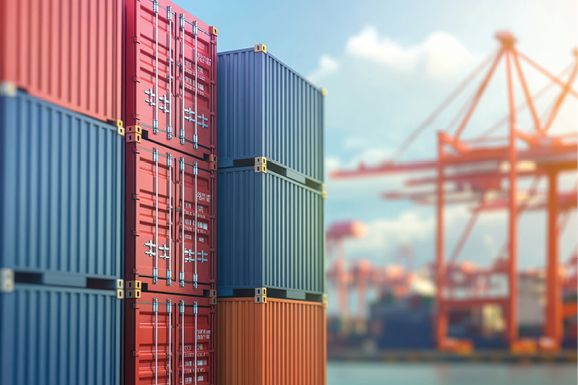
Starting October 14, the United States began imposing new shipping fees that could increase the cost of Chinese goods and potentially reduce imports.
The Trump administration states that for nearly three decades, China has targeted the maritime, logistics, and shipbuilding sectors for dominance and has employed increasingly aggressive and specific targets in pursuing dominance. The administration expressed hopes this latest action will kick start the U.S. shipbuilding industry.
Cargo imports to the United States carried by ships that either are Chinese-owned or operated by Chinese companies will face port fees of $46 per ton. Non-Chinese operators of ships built in China also will face charges. Vessel tonnage can range from 35,000 tons to 200,000 tons.
An October 10 release from the Office of the U.S. Trade Representative presents the most recent information and outlines the modifications to the original action taken on April 17.
In retaliation, China’s Ministry of Transport announced last week that it is matching the Trump administration’s planned increase in port fees on Chinese-owned and -operated ships on U.S-owned or -flagged ships in China. The move is symbolic and will have little impact on the United States.
It is believed that the major ocean carriers plan to absorb the new costs, but costs eventually may be passed on to consumers. The costs will be in addition to tariffs that already are being felt.
A USTR Fact Sheet includes more information about the latest action against China, as well as links to the history of its investigation.
Background
In March, the California Chamber of Commerce joined more than 300 other organizations urging the Office of the U.S. Trade Representative to refrain from imposing proposed actions against China that will hurt U.S. businesses and consumers instead of deterring China’s broader maritime ambitions.
The USTR proposal was in response to the Section 301 investigation of China’s targeting the maritime, logistics and shipbuilding sectors for dominance.
The March 24 letter to the USTR was signed by organizations representing a wide breadth of the nation’s economy, including importers, exporters, farmers and agribusinesses, retailers, manufacturers, energy providers, wholesalers, transportation and logistics providers, and other sectors.
The coalition supports scrutiny of China’s efforts to dominate the maritime industry but argued that the USTR’s proposed actions will not deter China’s broader maritime ambitions and will instead directly hurt American businesses and consumers.
Impact of Fees on Shipping Costs
The letter explained specifically how USTR’s proposed fees would increase shipping costs, container and non-containerized, by at least 25% ($600–$800 or more), adding approximately $30 billion in annual costs on U.S. businesses and farmers.
Further, this will lead to higher prices for U.S. consumers and undermine the competitiveness of many U.S. exports — leading to a decline in export revenues and increasing the U.S. trade deficit, contrary to the Trump administration’s America First trade goals.
Read more about the USTR’s 2024 investigation into the decline of U.S. shipbuilding and the public hearings in March 2025 on its proposed action in the April 4 Alert.